3 Mar 2026
Benefits of Regular Dental Check-Ups for Healthy Teeth | Community Smiles Hillside, NJ
Introduction
It usually starts small - something easy to ignore. A little sensitivity while sipping something cold, slight bleeding when brushing, or a feeling that your teeth don’t look as clean as they used to. These signs often fade in and out, which is why many people choose to wait rather than schedule a dental visit. The problem is that oral health rarely stays the same when left unattended. It either improves with care or gradually becomes more complicated.
Regular dental check-ups play a quiet but powerful role in keeping things from reaching that second stage. They are not just routine appointments; they are checkpoints that help keep your teeth and gums on a steady, healthy path. For individuals searching for the best dentist near me, the real value of these visits often becomes clear only after they’ve experienced the difference consistent care can make.
Small Changes in the Mouth Can Signal Bigger Issues
The mouth has a way of showing early warning signs long before pain develops. The challenge is that these signs are often subtle and easy to overlook. What feels like minor sensitivity or occasional irritation can sometimes indicate the beginning of a larger concern.
Dental check-ups are designed to catch these changes early. During an exam, a dentist looks beyond what is visible on the surface, evaluating how your teeth, gums, and bite are functioning together. This deeper level of observation allows potential issues to be addressed while they are still manageable.
Common early indicators dentists monitor include:
- Slight enamel wear or tiny areas of decay
- Gum inflammation that may not yet cause discomfort
- Changes in bite pressure or alignment
- Early plaque buildup in hard-to-reach areas
Addressing these early makes a noticeable difference in how simple - or complex - future care may be.
Why Professional Cleanings Make a Noticeable Difference
Daily brushing and flossing are essential, but even the most consistent routines have limitations. Certain areas of the mouth naturally collect more buildup, especially along the gumline and between teeth. Over time, this buildup hardens and becomes difficult to remove without professional tools.
Dental cleaning goes beyond surface-level care. It removes stubborn deposits, smooths tooth surfaces, and helps reset the environment in your mouth. Many patients describe the feeling afterward as lighter and noticeably fresher.
Beyond how it feels, professional cleanings contribute to:
- Lower risk of developing cavities
- Reduced gum irritation and inflammation
- Better breath freshness
- A cleaner foundation for daily oral hygiene
These benefits tend to build over time, especially when cleanings are done consistently.
Early Care Often Means Simpler Solutions
There’s a clear pattern in dentistry: the earlier something is addressed, the easier it is to manage. A minor concern identified during a routine visit can often be resolved quickly. The same issue, if ignored, may require more time, more attention, and more complex care.
Regular check-ups help prevent situations where discomfort suddenly appears without warning. Instead of reacting to pain, patients who stay consistent with visits often find themselves staying ahead of problems.
This approach helps reduce:
- Unexpected dental emergencies
- Time spent in longer procedures
- Disruptions to daily routines
- The need for more involved treatments
In many ways, preventive care creates a smoother and more predictable dental experience.
Gum Health Is Just as Important as Tooth Health
It’s easy to focus on teeth because they are the most visible part of a smile, but gums play an equally important role. They support the teeth and help maintain overall stability in the mouth. When gum health is compromised, it can affect comfort, function, and long-term outcomes.
Gum concerns don’t always cause immediate pain, which is why they can go unnoticed without regular check-ups. Dentists evaluate gum condition during every visit, looking for early signs that might otherwise be missed.
Healthy gums support:
- Strong positioning of teeth
- Comfortable chewing and speaking
- Reduced sensitivity
- Better long-term oral stability
Maintaining gum health is an essential part of keeping your entire smile in balance.
Consistency Creates Long-Term Stability
One dental visit can be helpful, but consistency is what truly makes the difference. Oral health is not static - it changes over time based on habits, diet, stress, and overall health. Regular check-ups create a rhythm of care that helps maintain stability.
Patients who stay consistent often notice that their visits become more routine and less reactive. Instead of addressing urgent concerns, appointments focus on maintenance and small adjustments.
Over time, this leads to:
- Fewer unexpected issues
- Greater comfort during visits
- Better understanding of personal oral health
- Increased confidence in daily care
Consistency turns dental care into something manageable rather than something stressful.
Personalized Guidance Makes Everyday Care More Effective
No two patients have exactly the same oral health needs. What works well for one person may not be as effective for another. Regular check-ups provide an opportunity for personalized feedback based on your specific habits and condition.
Dentists may suggest small adjustments that make a meaningful difference, such as improving brushing technique, adjusting flossing habits, or choosing products better suited to your needs.
This kind of tailored advice helps patients:
- Improve daily routines
- Avoid repeating the same issues
- Maintain results between visits
- Feel more confident in their oral care
Even small changes, when applied consistently, can lead to noticeable improvements.
Dental Care Also Supports Confidence
Oral health isn’t just about function - it also affects how people feel in everyday interactions. When your teeth feel clean and your gums are healthy, you’re more likely to smile freely and speak comfortably.
Many patients notice subtle but important changes, such as:
- Feeling more at ease during conversations
- Smiling more naturally in photos
- Less concern about breath freshness
- Greater overall self-confidence
These benefits often go beyond what patients initially expect from a routine dental visit.
Building Dental Visits Into Your Routine
One of the simplest ways to maintain oral health is to treat dental check-ups as part of your regular schedule rather than something optional. Waiting for discomfort to appear often leads to more complicated situations, while staying consistent helps keep things straightforward.
Setting reminders or scheduling appointments in advance can make it easier to stay on track. Over time, these visits become part of a routine that supports both comfort and long-term health.
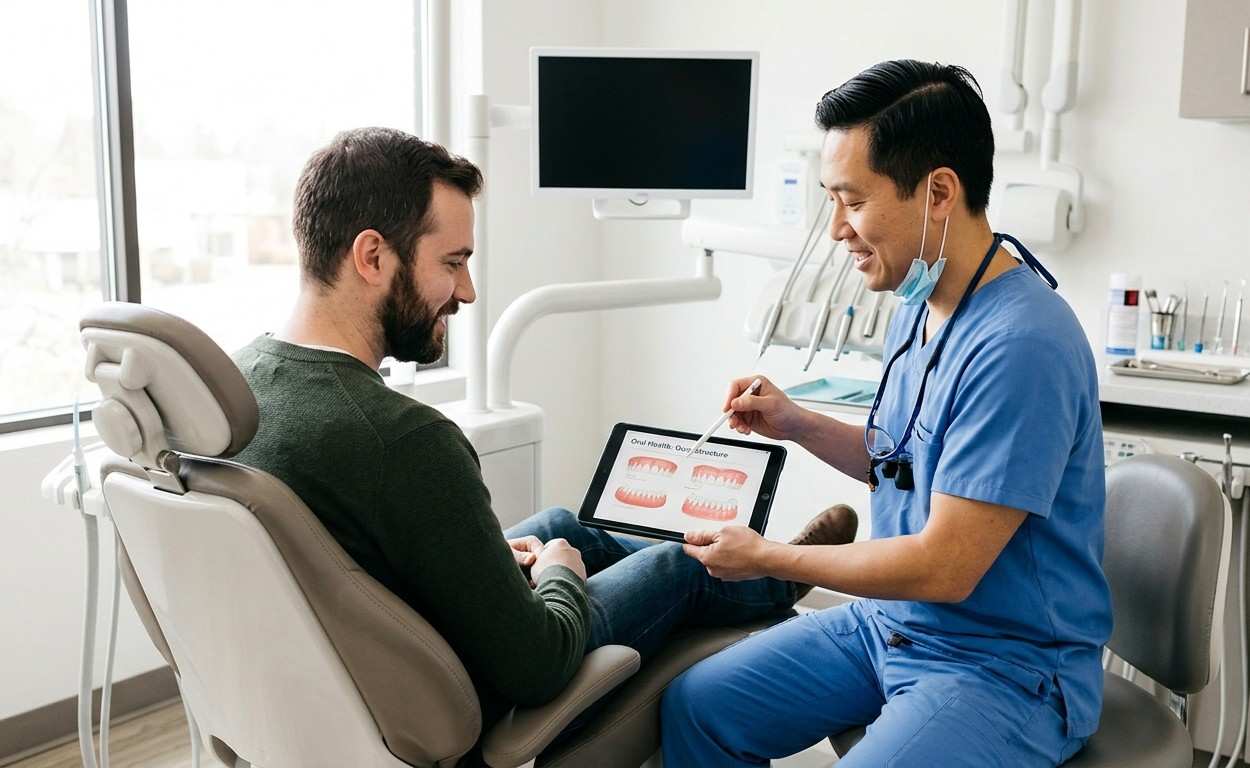
Accessible Care That Fits Into Everyday Life
Maintaining regular dental visits becomes much easier when care is convenient and reliable. At Community Smiles, located at 1100 N Broad Street, Elizabeth, Hillside, NJ 07205, patients receive preventive care designed to support both immediate comfort and long-term oral health.
The practice serves individuals and families across Hillside, NJ (07205) and Elizabeth, NJ (07201, 07202, 07206, 07208), making it easier to maintain consistent dental care close to home.
A Preventive Approach That Pays Off Over Time
Regular dental check-ups may not always feel urgent, but their impact becomes clear over time. They help keep small concerns from becoming bigger ones, support daily comfort, and contribute to a healthier, more confident smile.
Rather than waiting for a reason to visit the dentist, making these check-ups part of your routine creates a steady path toward long-term oral health. It’s a simple habit - but one that can make a lasting difference.
FAQs
Most people benefit from visits every six months, though some may need more frequent care based on their oral health.
Yes, many dental issues develop without noticeable symptoms, making routine visits important for early detection.
A check-up typically includes an exam, cleaning, and evaluation of teeth, gums, and overall oral health.
Yes, consistent check-ups help catch issues early and reduce the likelihood of more complex treatments later.
Brush twice daily, floss regularly, and follow your dentist’s recommendations for the best results.