30 Nov 2025
Saving Your Tooth vs. Removing It: Expert Endodontic Guidance from Community Smiles in Hillside, NJ
Deciding whether to save a tooth or have it extracted can feel overwhelming. Teeth are designed to last a lifetime, but decay, trauma, or infection sometimes put us at a crossroads. At Community Smiles in Hillside, NJ, our expert endodontists help patients understand the options and make informed decisions that protect oral health and overall well-being.
Choosing between saving a tooth and removing it isn't just a clinical decision - it's about comfort, long-term oral health, aesthetics, and quality of life. Let's explore the factors involved and how modern endodontics can help preserve your natural smile whenever possible.
Why Saving a Tooth Matters
Your natural teeth are invaluable. Even with advances in implants and prosthetics, nothing fully replicates a living tooth. Saving a tooth:
- Maintains proper bite alignment
- Preserves jawbone density
- Prevents adjacent teeth from shifting
- Avoids additional dental work or future complications
Natural teeth also provide better chewing efficiency and sensory feedback than any artificial replacement. In short, keeping a tooth whenever feasible is often the healthiest, most cost-effective choice.
Common Reasons Teeth May Be at Risk
Before deciding on extraction or saving, it's important to understand why teeth may fail:
- Deep Decay: Cavities that reach the pulp or nerve tissue can cause severe pain and infection.
- Cracked or Fractured Teeth: Trauma or weakened enamel can compromise a tooth's structure.
- Infection: Bacterial invasion of the pulp can lead to abscesses or systemic issues if untreated.
- Periodontal Disease: Severe gum disease can destabilize teeth, making them more prone to extraction.
- Failed Previous Dental Work: Older fillings or restorations that fail may jeopardize the tooth.
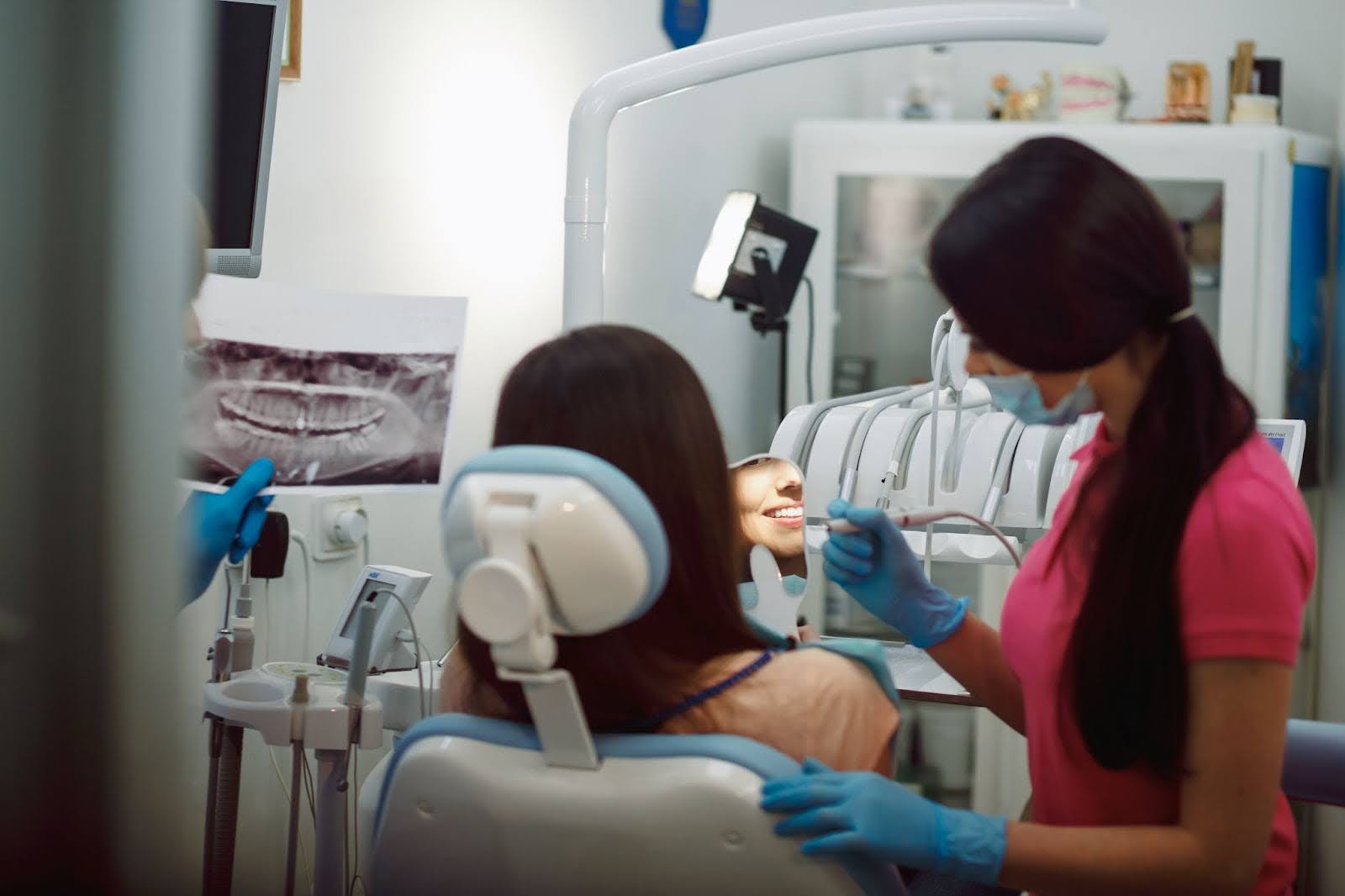
Understanding Root Canal Therapy
One of the most common ways to save a tooth is through root canal therapy (RCT). Root canals remove infected pulp, clean and disinfect the canals, and seal them to prevent further infection.
When Root Canals Are Recommended
- Persistent tooth pain or sensitivity
- Swelling or tenderness around the tooth
- Infection visible on X-rays
- Deep decay affecting the nerve
Modern root canal techniques are virtually painless, highly effective, and preserve the natural tooth's function and appearance.
Signs You Might Need a Tooth Extraction
Sometimes, saving a tooth isn't feasible. Extraction may be the best choice if:
- The tooth is fractured beyond repair
- Infection has severely damaged the surrounding bone
- Advanced periodontal disease makes the tooth unstable
- Previous attempts at saving the tooth have failed
Extraction is typically straightforward, and at Community Smiles, we provide careful care and options for replacing the tooth if needed.
Comparing the Benefits of Saving vs. Removing a Tooth
Saving a Tooth:
- Maintains natural bite
- Preserves jawbone density
- Avoids shifting of adjacent teeth
- Often more cost-effective in the long term
- Maintains natural chewing and sensory feedback
Removing a Tooth:
- Prevents infection spread if tooth is unsalvageable
- May require replacement options like implants or bridges
- Can relieve pain if tooth is severely compromised
- Short-term relief from dental issues
- Potential need for future prosthetic work
The Role of Endodontics in Tooth Preservation
Endodontists specialize in diagnosing and treating the inner tissues of teeth. Their expertise allows:
- Advanced Root Canal Techniques: Using digital imaging, magnification, and rotary instruments for precise treatment
- Management of Complex Cases: Treating calcified canals, retreatments, and trauma cases
- Minimal Invasive Approaches: Preserving as much tooth structure as possible while eliminating infection
At Community Smiles, we prioritize saving teeth whenever safely possible, offering patients modern solutions that maximize long-term outcomes.
Patient Experience: What to Expect During a Tooth-Saving Procedure
Many patients fear root canals or similar treatments, but modern endodontics focuses on comfort:
- Assessment: Thorough exam with X-rays or 3D imaging
- Anesthesia: Local anesthetic ensures a pain-free procedure
- Cleaning and Shaping: Removal of infection and debris from the tooth's root canals
- Filling and Sealing: Biocompatible material seals the canals
- Restoration: Tooth is restored with a crown or filling to maintain strength and function
Aftercare for Preserved Teeth
Once a tooth is treated, proper care ensures longevity:
- Brush and floss daily to prevent new decay
- Avoid chewing hard objects on the treated tooth initially
- Attend follow-up visits to monitor healing and restoration integrity
- Maintain regular dental checkups for early detection of future issues
Replacement Options for Extracted Teeth
If extraction is necessary, restoring the gap is important for function and aesthetics:
- Dental Implants: Titanium posts that integrate with the jawbone for a permanent solution
- Dental Bridges: Anchored by neighboring teeth to replace missing teeth
- Partial Dentures: Removable options for multiple missing teeth
Why Choose Community Smiles in Hillside, NJ
- Experienced Endodontists: Skilled in advanced tooth-saving techniques
- State-of-the-Art Technology: Digital X-rays, 3D imaging, and precision instruments
- Patient-Centered Care: Comfort-focused, minimally invasive procedures
- Convenient Location: 1100 N Broad Street, Elizabeth, Hillside, NJ 07205, serving surrounding areas including Elizabeth (07201, 07202, 07206, 07208), Hillside (07205), Union (07083), and Newark (07102, 07104, 07105)
Preventing Future Tooth Issues
While not all dental problems are preventable, maintaining oral health can reduce the need for extractions or root canals:
- Brush twice daily and floss regularly
- Avoid excessive sugar and acidic foods
- Wear mouthguards during sports
- Attend regular dental exams and cleanings
- Address minor issues early to prevent major complications
Proactive care can preserve your natural teeth for a lifetime.
Conclusion
When faced with a tooth at risk, the decision to save or remove it has significant long-term consequences. Saving a tooth preserves natural function, supports oral health, and avoids complications associated with extractions. Modern endodontic techniques make it possible to treat even complex cases safely and comfortably.
At Community Smiles in Hillside, NJ, our goal is always to save teeth whenever possible while providing clear guidance if extraction is the best option. Protecting your smile is not just about comfort - it's about long-term health and confidence. Don't wait for pain or infection to dictate your options. Schedule a consultation today and take the first step toward a healthy, functional smile.
FAQs
Modern root canal procedures are virtually painless thanks to local anesthesia and gentle techniques.
With proper care and restoration, a treated tooth can last decades.
Extraction may be necessary, but there are excellent replacement options such as implants, bridges, or partial dentures.
A thorough examination, imaging, and consultation with an endodontist will determine the best option.
Yes! Timely intervention and proper aftercare greatly increase the longevity of natural teeth.