16 Nov 2025
What Causes Tooth Misalignment? Community Smiles Explains Orthodontics in Hillside, NJ
A confident, straight smile is more than just aesthetic - it affects your oral health, comfort, and even your overall well-being. Misaligned teeth, known as malocclusion, are surprisingly common. Whether it's a slight overlap of front teeth or a severe underbite, misalignment can impact everything from chewing efficiency to speech. At Community Smiles in Hillside, NJ, we help patients understand what causes tooth misalignment and provide effective orthodontic solutions that restore both health and confidence.
Misalignment isn't always obvious at first. Many patients only notice discomfort, jaw strain, or aesthetic concerns before seeking help. Understanding why teeth become crooked or misaligned is the first step toward a healthier, more functional smile.
Why Proper Tooth Alignment Matters
Properly aligned teeth don't just look good - they function better. When your teeth are in the right position, your bite distributes pressure evenly, preventing excess wear on individual teeth. This reduces the risk of cracks, chips, and temporomandibular joint (TMJ) problems. Aligned teeth also make oral hygiene simpler. Crooked teeth can trap food and plaque in hard-to-reach areas, increasing the risk of cavities and gum disease.
On a personal level, a straight smile can significantly boost confidence, improving your social interactions and self-esteem. So, while misalignment might seem like a cosmetic issue at first, the implications for oral health are substantial.
Common Causes of Tooth Misalignment
Tooth misalignment typically arises from a combination of genetic, developmental, and environmental factors. Understanding these causes can help in prevention and early intervention.
1. Genetic Factors
Genetics often play a significant role in determining jaw size, tooth size, and overall dental structure. If crooked teeth, gaps, or overbites run in your family, you may inherit similar traits. Genetics can also influence the timing of tooth eruption and jaw growth, which are key factors in alignment.
2. Childhood Habits
Early habits can have long-term consequences for dental alignment.
a. Thumb Sucking: While normal in toddlers, prolonged thumb sucking beyond age 4 or 5 can push teeth out of alignment, often causing front teeth to protrude.
b. Pacifier Use: Similar to thumb sucking, extended pacifier use can alter jaw development, potentially creating overbites or gaps between teeth.
c. Tongue Thrusting: Some children push their tongue against their teeth when swallowing, which can gradually shift teeth forward over time.
3. Early or Late Loss of Baby Teeth
Baby teeth serve as guides for permanent teeth. Losing them too early may cause neighboring teeth to drift into the empty space, while retaining them too long can block permanent teeth from erupting properly, leading to crowding or gaps.
4. Oral Injuries and Trauma
Accidents or sports injuries that damage the teeth or jaw can result in misalignment. Even minor trauma can shift a tooth over time, especially if left untreated.
5. Dental Diseases and Infections
Severe cavities, untreated gum disease, or infections that weaken the jawbone can contribute to tooth movement and misalignment. In some cases, periodontal disease can lead to shifting teeth in adults.
6. Jaw Growth Discrepancies
Sometimes the upper and lower jaws grow at different rates, causing overbites, underbites, or crossbites. These discrepancies can be hereditary or influenced by environmental factors such as breathing patterns or childhood habits.
Types of Tooth Misalignment
Malocclusion comes in several forms, each with distinct characteristics and potential health implications.
1. Overbite
This occurs when the upper front teeth excessively overlap the lower teeth. Overbites can lead to enamel wear, gum irritation, and jaw discomfort.
2. Underbite
An underbite is when the lower teeth extend beyond the upper teeth. This can affect chewing efficiency and speech patterns.
3. Crossbite
A crossbite occurs when upper teeth sit inside the lower teeth when biting down. Crossbites often cause uneven wear, jaw pain, and asymmetrical facial growth.
4. Crowding
Teeth don't have enough space to align properly, leading to overlapping, rotation, or twisted teeth. Crowding is common in both children and adults.
5. Gaps Between Teeth (Diastema)
Some teeth have extra space between them, which can be caused by genetics, jaw size, or habits such as thumb sucking. Gaps can affect both aesthetics and bite efficiency.
How Misalignment Affects Oral Health
Tooth misalignment isn't just cosmetic - it can cause several functional and health problems.
- Chewing and Digestion: Misaligned teeth prevent efficient chewing, which can affect digestion and nutrient absorption.
- Speech Issues: Crooked teeth can interfere with tongue placement, leading to lisping or difficulty pronouncing certain sounds.
- Increased Risk of Decay and Gum Disease: Overlapping or crowded teeth are harder to clean, which increases the likelihood of cavities and periodontal problems.
- Jaw Pain and TMJ Disorders: Uneven bite pressure can strain the temporomandibular joint, leading to headaches, jaw clicking, and chronic discomfort.
Orthodontic Solutions at Community Smiles
Modern orthodontics offers a range of solutions for misaligned teeth. At Community Smiles, we personalize treatment based on age, severity, and patient goals.
Traditional Braces
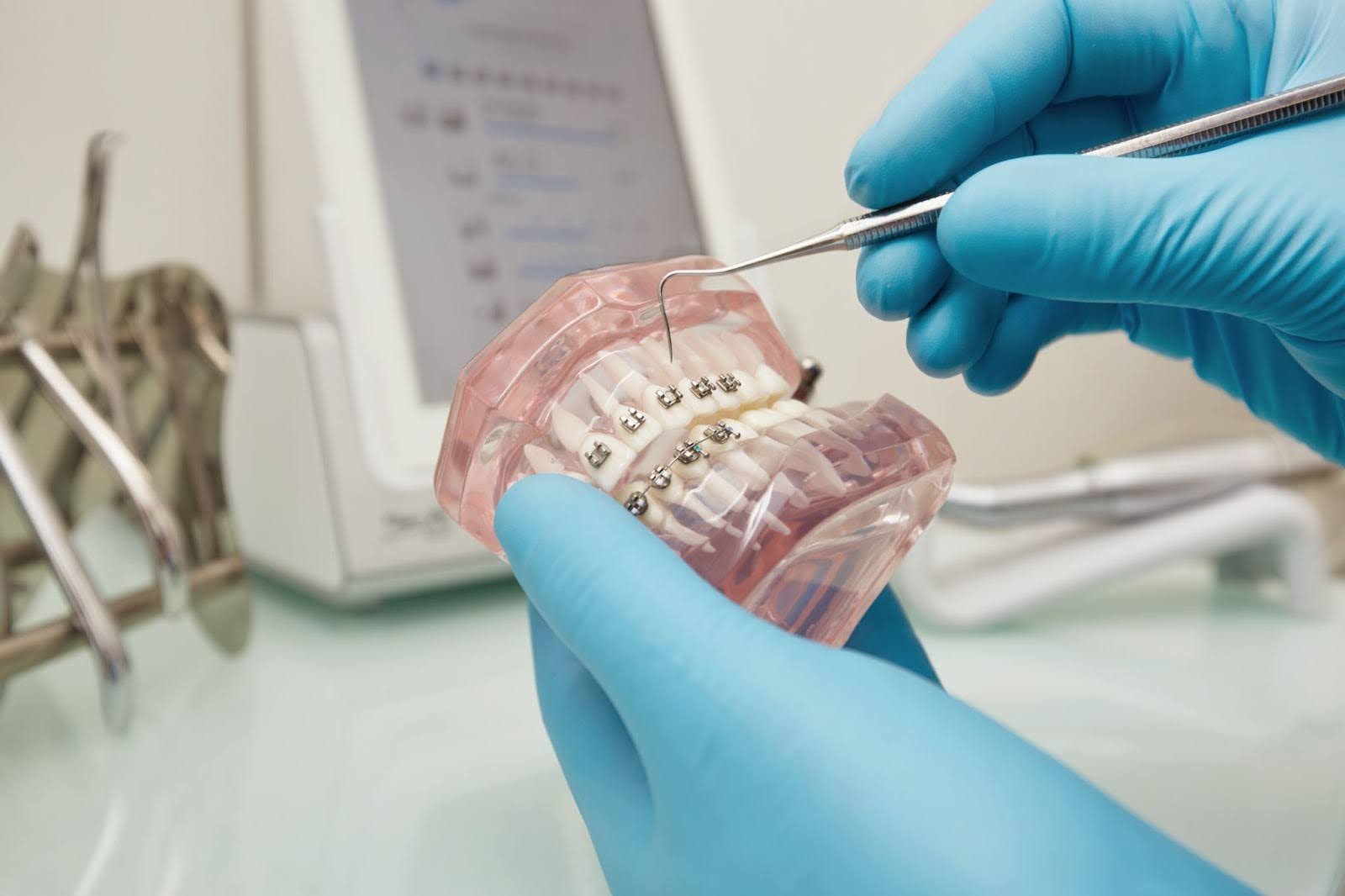
Metal or ceramic brackets attached to teeth gradually move them into the correct position using wires and elastic bands. Ideal for complex misalignments, braces are highly effective for both children and adults.
Clear Aligners (Invisalign)
Transparent, removable aligners gently shift teeth over time. Popular among teens and adults who want discreet treatment without metal braces.
Retainers
After active treatment, retainers help maintain alignment and prevent relapse.
Early Intervention
Pediatric orthodontics can guide jaw growth and tooth eruption, often reducing the need for more intensive treatment later in life.
When to See an Orthodontist
Early evaluation is key to preventing severe misalignment.
Ideal Age: Children should have their first orthodontic assessment by age 7. Early detection allows interventions that can reduce the complexity of future treatment.
Signs You Should Seek Care:
- Persistent thumb-sucking or pacifier habits
- Crowded, overlapping, or rotated teeth
- Difficulty chewing or speaking
- Jaw pain, clicking, or popping
Why Choose Community Smiles in Hillside, NJ
Community Smiles offers compassionate, expert care tailored to each patient's unique needs.
- Experienced Orthodontic Team: Years of training and experience in both pediatric and adult orthodontics.
- Advanced Technology: Digital imaging and 3D scanning ensure precise diagnosis and treatment.
- Personalized Treatment Plans: Every patient receives a plan customized for their dental structure and goals.
- Convenient Location: Located at 1100 N Broad Street, Elizabeth, Hillside, NJ 07205, serving communities across northern New Jersey.
Clinic Address: Community Smiles, 1100 N Broad Street, Elizabeth, Hillside, NJ 07205
Service Areas:
Conclusion
Tooth misalignment is a common but manageable condition. Causes range from genetics and childhood habits to injuries and jaw growth discrepancies. Left untreated, misalignment can affect oral hygiene, bite function, and even confidence.
At Community Smiles in Hillside, NJ, we provide comprehensive orthodontic solutions for children and adults, combining advanced technology, personalized care, and a patient-first approach. Early intervention and tailored treatment plans can restore both health and beauty to your smile. If you notice crooked teeth, jaw pain, or difficulty chewing, now is the perfect time to schedule an evaluation.
FAQs
Yes! Modern techniques like clear aligners make orthodontic treatment effective and discreet for adults.
Treatment typically ranges from 12–24 months, depending on the severity of misalignment.
For mild to moderate cases, clear aligners are highly effective. Severe misalignments may require traditional braces.
Most patients experience only mild discomfort initially. Modern techniques focus on comfort and gradual adjustments.
Encourage proper oral habits, limit prolonged thumb-sucking or pacifier use, and schedule regular dental checkups to monitor tooth eruption.