17 Oct 2026
What to Look for in the Best Dentist for Seniors in Hillside, NJ
The best dentist for seniors is one who takes time to listen, explains treatment in plain language, and offers care for the issues that become more common with age, such as gum disease, dry mouth, worn teeth, and tooth replacement. Community Smiles in Hillside, NJ provides gentle, patient-focused care for adults of all ages, with options from checkups and gum care to dentures and implants.
Choosing a dentist for yourself, or for a parent or grandparent, comes with a different set of priorities than it did at age 30. Comfort, patience, and clear communication matter just as much as clinical skill. Older adults are also more likely to be managing medications, health conditions, and long histories of dental work, so the right practice understands the bigger picture and plans care accordingly.
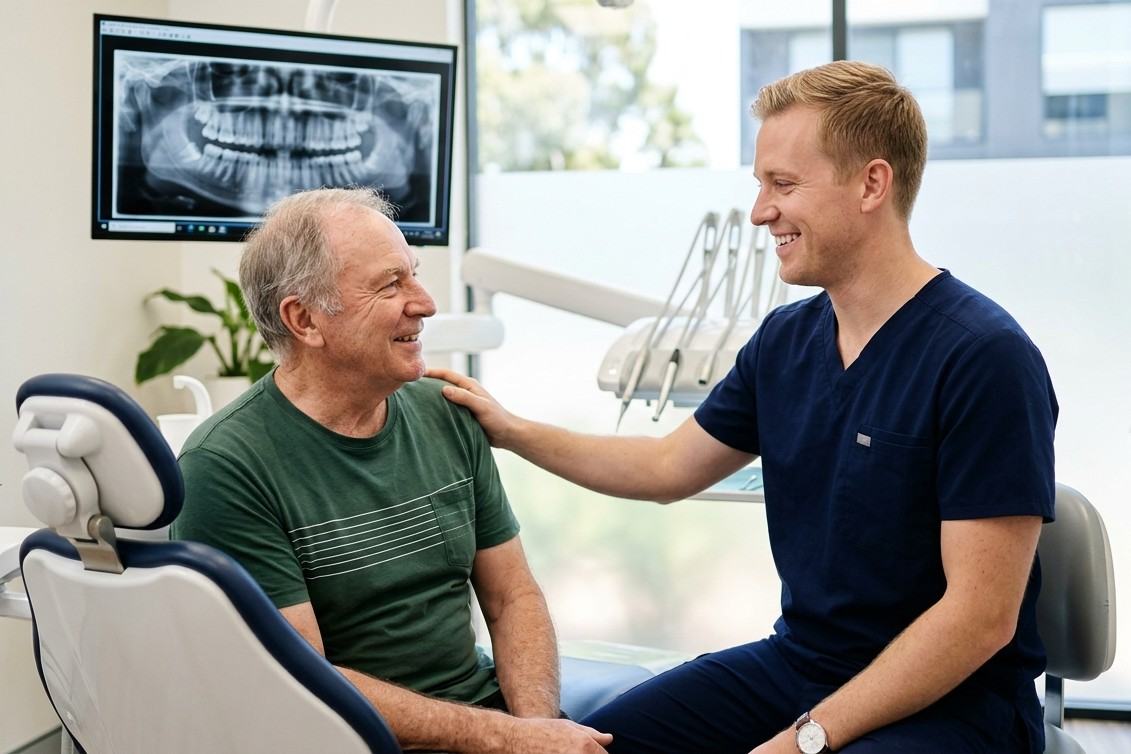
Why Dental Needs Change With Age
Teeth can last a lifetime, but the challenges they face shift over the years. According to the National Institute of Dental and Craniofacial Research, gum disease, dry mouth, and tooth decay are among the most common oral health concerns for older adults, and both gum disease and tooth decay are leading causes of tooth loss.
Dry mouth deserves special attention. It isn't a normal part of aging itself, but many medications list it as a side effect, and less saliva means a higher risk of cavities, gum problems, and uncomfortable dentures. Old fillings and crowns can also wear down after years of use, and gums that pull back expose tooth roots that decay more easily. A dentist who understands these patterns can catch problems early and tailor care to what your mouth actually needs.
What to Look for in a Dentist for Seniors
The right practice makes dental visits feel manageable, not stressful. These are the qualities worth looking for:
- An unhurried, respectful approach: You should never feel rushed, talked down to, or pressured into treatment.
- Clear explanations: A good dentist walks you through findings and options in plain language and welcomes questions from you or a family member.
- Attention to your health history: Medications, heart conditions, diabetes, and other health factors all affect dental care, and your dentist should ask about them.
- Comfort-focused care: Gentle techniques, numbing options, and a calm office make a real difference for anyone who feels anxious.
- A full range of treatments: Having checkups, gum care, restorations, and tooth replacement in one place means fewer referrals and fewer new offices to navigate.
- Easy access: A convenient location, simple scheduling, and a team that's patient on the phone matter more than people expect.
- Clear, honest pricing: Many seniors live on a fixed income, so upfront costs and payment options are an important part of good care.
Care for Gums, Dry Mouth, and Everyday Comfort
Gum health becomes a bigger priority with age. Early gum disease often shows up as bleeding, puffiness, or bad breath, and it can progress quietly for years. Regular exams and cleanings help catch it early, and when it needs more attention, gum therapy can help keep bacteria under control between visits.
For patients who feel nervous or have sensitive teeth, painless treatment approaches focus on keeping each visit as comfortable as possible. If dry mouth is a problem, tell your dentist. They can recommend simple changes, like sipping water often, using products made for dry mouth, and adjusting home care, and they may suggest checking with your doctor about medications that contribute to it.
Replacing Missing Teeth
Many older adults live with one or more missing teeth, and replacing them makes a real difference in how well you eat, speak, and feel. The right option depends on how many teeth are missing, the health of your jawbone, and what you're comfortable with.
Dentures remain a practical choice, especially for people missing many teeth. Dental implants offer a fixed, stable alternative that feels closer to natural teeth, and some patients combine the two, using implants to hold a denture securely in place. A dentist should lay out the pros and cons of each honestly, including cost, healing time, and long-term upkeep, so you can choose what fits your health and budget.
Repairing Worn Teeth
Decades of chewing take a toll. Cracked teeth, worn fillings, and teeth weakened by decay are common in older adults, and repairing them early keeps small problems from turning into extractions. Strong, durable crowns and bridges can restore damaged teeth or fill small gaps, helping you keep your natural teeth as long as possible.
How Community Smiles Supports Older Patients
At Community Smiles, the focus is on gentle, high-quality care for patients of all ages, including adults and seniors, in a comfortable and welcoming setting. The team offers a wide range of services under one roof, from preventive visits and gum care to restorative work and tooth replacement, so patients can get what they need without being sent from office to office.
Cost matters too. The practice offers financing options and special pricing, including discounts for seniors, so ask about what's currently available when you call. Having a clear conversation about cost before treatment begins takes much of the stress out of planning care.
Tips for Making Dental Visits Easier
A little preparation helps appointments go smoothly, whether you're going yourself or helping a family member:
- Bring a current list of medications and health conditions.
- Write down any questions or concerns ahead of time.
- Bring a family member or caregiver if it helps you feel more comfortable.
- Mention any anxiety, mobility needs, or sensitivities when you book.
- Ask for a written treatment plan so you can review it at home.
If it's been a while since your last visit, searching for a "dentist near me" and booking a checkup is a good place to start. It's never too late to begin taking care of your teeth again.
Schedule a Gentle, Unhurried Visit
The right dentist should make you feel heard, comfortable, and confident in your care. Schedule a consultation or call us at (908) 409-7100, and we'll talk through your needs, your health history, and your options at your own pace. Patients visit us from Hillside, Elizabeth, Union, and Newark.
Frequently Asked Questions
Most older adults should be seen every six months. Some, such as those with gum disease, dry mouth, or many restorations, may need visits every three to four months.
Often, yes. Age alone isn't a barrier. What matters most is healthy gums and enough jawbone to support the implant, which your dentist can check with an exam and imaging.
It can. Saliva helps protect teeth, so less saliva raises the risk of decay and gum problems. If you notice dry mouth, mention it to your dentist and your doctor.
Don't try to adjust them yourself. Loose dentures often need a reline or adjustment, and a dentist can check the fit and recommend the right fix.
Not at all. Many people return after years away. A thorough exam is the first step, and a good dentist will build a plan that fits your needs and comfort level.